Secret Santa rules and etiquette: the budget, what's OK at work, and keeping it secret
How to run a Secret Santa nobody dreads: a budget everyone can afford, a fair private draw, what is and isn’t OK at work, and how to let people opt out gracefully.
By Sam · Updated 5 November 2026

- Set one limit, write it down, and treat it as a maximum. £10 is the usual office figure and £15 to £20 is common among friends and family.
- Draw names so that nobody draws themselves and nobody can see the list. Our free Secret Santa generator does that and emails each person their name.
- At work, keep presents safe for anyone to open in front of colleagues: nothing rude, nothing about someone's body, religion, age or love life, and nothing that needs an explanation.
- Anyone who can't take part, for money, faith or any other reason, should be able to say so once and not be asked again. The organiser's job is to make that easy.
- If the person you drew is a stranger to you, ask around quietly or pick something almost everyone likes. Our Secret Santa under £10 and Secret Santa for adults under £15 pages are sorted by that problem.
Setting the budget
The limit is the whole point of Secret Santa. It replaces a dozen presents with one, and it stops the quiet competition over who spent most. So decide it first, say it clearly, and don't let it drift.
The figure should be one the least well-off person in the group can pay without noticing. At work that usually means £5 or £10. Among friends or family who'd otherwise buy each other proper presents, £15, £20 or £25 is common, and Which?'s own Secret Santa guide stops at £25 and sorts its ideas by price for exactly this reason. If you're not sure, go lower: a £10 present chosen well lands better than a £25 one chosen in a panic.
Say whether the limit is a maximum or a target. 'Up to £10' and 'about £10' are different instructions, and people who spend £4 on an 'up to £10' draw will feel awkward if everyone else spent the full amount. 'As close to £10 as you can' is the clearest form.
Agree the limit before names are drawn, not after. Changing it once people have started shopping is how you end up with two gifts bought at different budgets for the same person.
One more thing on money: the limit should include postage if presents are being sent. A £10 present with £4 of postage is a £14 present, and the person buying for someone remote shouldn’t be the only one paying more.
Our picks for this guide
 Photo: Amazon
A child of five to eleven who finds ugly, toothy toys funny rather than scary.
as of 23 Nov 2026, 18:27 GMT · Details
Product prices and availability are accurate as of the date/time indicated and are subject to change. Any price and availability information displayed on Amazon.co.uk at the time of purchase will apply to the purchase of this product. Photo: Amazon
A child or teen who already has a few Squishmallows and wants another character for the shelf.
as of 23 Nov 2026, 18:27 GMT · Details
Product prices and availability are accurate as of the date/time indicated and are subject to change. Any price and availability information displayed on Amazon.co.uk at the time of purchase will apply to the purchase of this product.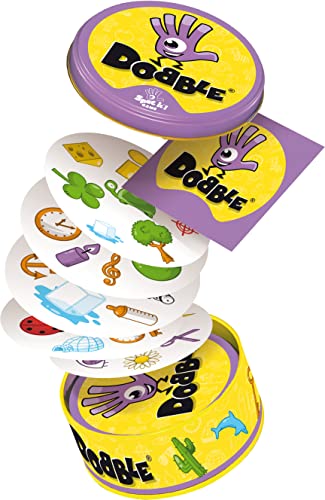 Photo: Amazon
A family with primary-age children who want a game that starts in thirty seconds and ends before anyone sulks.
as of 23 Nov 2026, 18:27 GMT · Details
Product prices and availability are accurate as of the date/time indicated and are subject to change. Any price and availability information displayed on Amazon.co.uk at the time of purchase will apply to the purchase of this product.Drawing names fairly
The classic hat works, but it has two failure modes: someone draws their own name and has to redraw while everyone watches, and the organiser knows who has whom. Both spoil the secret a little.
An online draw fixes both. Our Secret Santa generator takes the names, makes sure nobody draws themselves, and sends each person their match privately. Nobody, including the organiser, needs to see the full list. It's free and there's no account to make.
Set a date to draw and a date to swap, and send both out with the budget. Two weeks between them is enough for most groups; three if presents need to be posted. Drawing in the first week of December for a swap in the third week is the normal rhythm at work.
If somebody drops out after the draw, the simplest fix is to redraw everyone rather than try to patch the chain, which is where the secret usually leaks.
- Names in, including anyone joining remotely.
- Budget and swap date in the same message as the draw.
- Nobody draws themselves and nobody sees the list.
- A 'no surprises' rule: exclusions such as partners who shouldn't draw each other, set before the draw.
- One organiser who answers questions and keeps the secret.
What's OK at work, and what isn't
The test for a work Secret Santa present is simple: would you be comfortable if the person opened it in front of their manager, their newest colleague and someone from HR? If not, choose something else. The joke that works with friends in a pub rarely survives a meeting room.
Off the list: anything sexual or rude, anything about someone's weight, age, looks or love life, anything that assumes their religion or lack of it, anything alcoholic unless you know they drink, and anything that needs an in-joke explained. Gag gifts are fine if the gag is about the office, not about the person.
Food and drink need a thought about allergies and diet. A box of chocolates is the standard fallback, and it's a bad one for anyone who can't eat them. If you don't know, choose something that isn't food.
Remember also that a workplace gift exchange is social, not part of anyone's job. If the company is funding it rather than individuals, HMRC's rules on trivial benefits apply: an employer can give a benefit without tax if it cost £50 or less, isn't cash or a cash voucher, isn't a reward for work, and isn't in the contract. That is a rule for the employer's accounts, not for colleagues buying each other a mug, but it's why company-paid presents tend to stop at £50.
Keeping it secret
The secret is most of the fun, and it is usually broken by the organiser, not by the giver. Don't keep a paper list on your desk. Don't ask 'have you got Dave's yet?' in the kitchen. If someone asks you to swap their name, say no.
Givers: don't buy something only you would think of, don't wrap it in paper that's recognisably yours, and don't pay for a gift receipt with your name on the bag. If presents are collected in advance, a plain label with the recipient's name only is enough.
The reveal, if you have one, is a choice for the group. Some workplaces open presents together and guess; some keep it secret for good. Either is fine, as long as everyone knows which it is before they buy. A present chosen for a public guessing game is different from one chosen in private.
If you’re drawing online, the generator email is the only record. Tell people to keep it, because ‘I’ve forgotten who I’ve got’ is the second most common way the secret ends.
People who can't, or don't want to, take part
Some people can't afford even a small limit this year. Some don't celebrate Christmas. Some simply don't want to, and that's allowed. The organiser's job is to make opting out a one-line reply with no explanation needed, and to keep the list of who's in private so nobody is asked twice.
Never run a Secret Santa by assuming everyone is in and asking people to opt out in public. Send the invitation to individuals, or make the sign-up a form, and never read the list out.
If someone wants to join but the limit is a stretch, lower the limit for everyone rather than quietly let them spend less. A £5 Secret Santa that includes the whole team is better than a £15 one that leaves two people out.
For people working remotely, posting a small present to a home address is normal, but ask before you share anyone's address with their Secret Santa. The organiser can post everything from the office instead.
Choosing a present for someone you barely know
The hardest draw is the colleague you've spoken to twice. Which?'s Secret Santa advice is that the point is to feel a little more thoughtful than the usual panic-bought mug, and that's achievable even for a stranger. Ask one mutual colleague, quietly, what they're into. Look at what's on their desk. Listen for a hobby.
If nothing emerges, pick from the category of things almost everyone is pleased to receive: good tea or coffee, a notebook or diary, a plant, a nice candle, a game that works at a party, a decent pair of socks, a puzzle. Which?'s list of its members' favourites includes a popcorn maker, a slushy maker and a sleep mask, all under £25, which gives you a sense of the register: small, a bit fun, actually useful.
Avoid the 'funny' present for someone you don't know. Humour depends on knowing the person, and a joke gift to a stranger reads as a shrug. Avoid anything that presumes their taste in scent, their size, or their drink.
Our Secret Santa under £10 page is sorted so that the 'safe for anyone' presents come first and the ones that need a known hobby come later, and the adults under £15 page does the same at the higher limit.
Receiving well
Secret Santa is also a test of manners for the person opening the present. Thank the group, not the giver, if the giver is secret. If you guess who it was, keep it to yourself unless there's a reveal. Don't say what you'd have preferred.
If you get something you can't use, the kind thing is to say thank you, then pass it on quietly to someone who'll enjoy it. Which?'s advice on unwanted presents notes that a gift receipt lets you exchange it at the shop that sold it, but a Secret Santa present rarely comes with one, and chasing a £10 exchange isn't worth the awkwardness.
And if you drew someone who clearly put thought in, say so. The whole exercise runs on that.
A short set of rules you can copy
Here is a rules message that covers the questions people actually ask. Change the figures and dates to suit.
- Budget: as close to £10 as you can, and no more.
- Draw: online, on Friday 4 December. You'll get an email with your person. Tell nobody.
- Swap: Thursday 17 December at 3pm in the kitchen. If you can't be there, give your present to the organiser beforehand with the recipient's name only.
- Presents: something you'd be happy to see opened in front of anyone. No food unless you know they can eat it.
- Opting out: reply 'not this year' to the organiser. No reason needed, nobody else will know.
- Questions: ask the organiser, not the group.
Our picks for this guide
Photo: AmazonA child of five to eleven who finds ugly, toothy toys funny rather than scary.
as of 23 Nov 2026, 18:27 GMT · Details
Product prices and availability are accurate as of the date/time indicated and are subject to change. Any price and availability information displayed on Amazon.co.uk at the time of purchase will apply to the purchase of this product.Photo: AmazonA child or teen who already has a few Squishmallows and wants another character for the shelf.
as of 23 Nov 2026, 18:27 GMT · Details
Product prices and availability are accurate as of the date/time indicated and are subject to change. Any price and availability information displayed on Amazon.co.uk at the time of purchase will apply to the purchase of this product.Photo: AmazonA family with primary-age children who want a game that starts in thirty seconds and ends before anyone sulks.
as of 23 Nov 2026, 18:27 GMT · Details
Product prices and availability are accurate as of the date/time indicated and are subject to change. Any price and availability information displayed on Amazon.co.uk at the time of purchase will apply to the purchase of this product.Set the limit before the draw, say whether it's a maximum or a target, and make it low enough that the least well-off person in the group doesn't notice it. Everything else about Secret Santa is detail.
Questions
How much should you spend on Secret Santa?
Whatever limit the group sets, and no more. £10 is the usual office figure, £15 to £20 is common among friends and family. The limit should be one everyone can pay comfortably, so if in doubt choose the lower number.
What are the rules of Secret Santa?
Everyone draws one name in secret, buys that person one present within an agreed limit, and the presents are swapped on an agreed day. Nobody should draw themselves, nobody should see the list, and anyone can opt out before the draw.
What is not appropriate for a work Secret Santa?
Anything rude or sexual, anything about the person's body, age, religion or relationships, alcohol unless you know they drink, and food unless you know they can eat it. If you'd be uncomfortable seeing it opened in front of HR, pick something else.
Can I opt out of Secret Santa at work?
Yes. It's a social event, not part of your job. A good organiser lets people opt out privately with no reason given. If you're the organiser, make that the rule.
How do you do Secret Santa online?
Use a generator that draws names and emails each person their match. Ours at /secret-santa is free, stops anyone drawing themselves, and keeps the full list private. Set the budget and swap date in the same message.
Do you have to reveal who you are in Secret Santa?
Only if the group decides to. Some open presents together and guess; some stay secret for good. Agree which before the draw so people choose presents accordingly.
Read next
 How much to spend on Christmas presents: a budget by person, and how to agree limitsA calm way to set a Christmas present budget: a total you can afford, a share for each person, limits agreed w…
 When do toys sell out before Christmas? The lists, what runs short, and how restocks happenWhich toys run short before Christmas and when, how the 'top toy' lists are made, how shops restock, and how t…
 How to plan a Christmas stocking: what goes in, a budget that holds, and small-parts safetyA practical stocking plan: the five kinds of thing that go in, a budget by age that doesn’t creep, ideas for b…
 Black Friday toy deals: how to spot a real deal, read a was-price, and check against RRPHow to tell a real Black Friday toy deal from a dressed-up one: what a was-price must mean, the old 28-day rul…