Is LEGO Danish? Why it is called LEGO, and who owns it, checked against LEGO's own history
Yes. LEGO says it is based in Billund, Denmark, and still owned by the family that founded it in 1932. The name comes from the Danish words "leg godt", "play well".
By Sam · Updated 12 November 2026
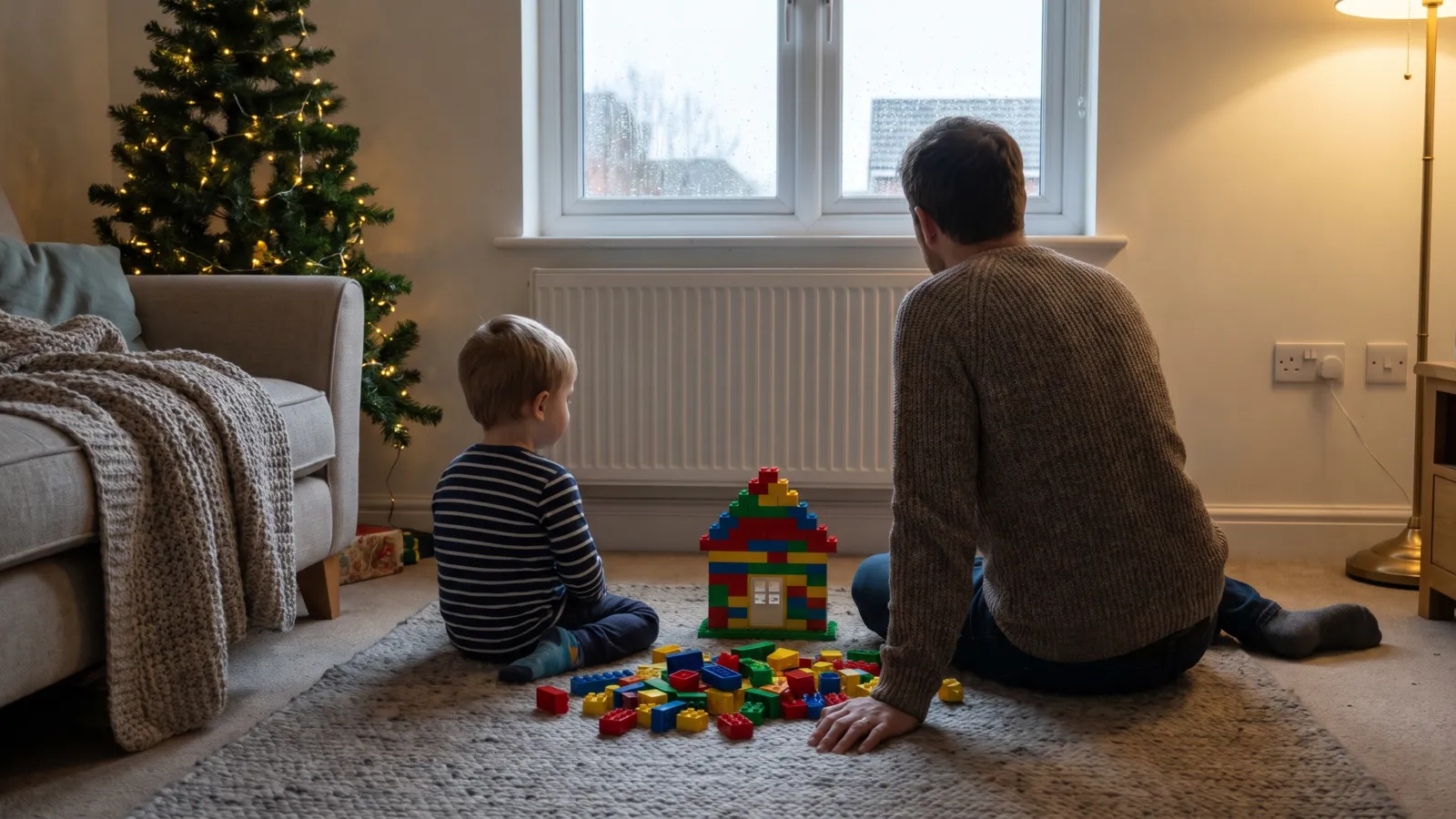
- Yes, LEGO is Danish. LEGO's own company page says the LEGO Group "is a privately held company based in Billund, Denmark", and that it is still owned by the Kirk Kristiansen family, who founded it in 1932.
- The name is Danish too. LEGO says it "is an abbreviation of the two Danish words “leg godt”, meaning “play well”". The company has used it since January 1936.
- The founder, Ole Kirk Kristiansen, was a carpenter in Billund. LEGO says he made his first wooden toy in 1932, and the plastic brick in its present form came in 1958.
- LEGO's page says the LEGO Group is owned by LEGO Holding, which is owned 75% by KIRKBI A/S, the family's holding company, and 25% by the LEGO Foundation. It is privately held: there are no LEGO shares to buy.
- None of this changes what a set costs or how to choose one. If you're buying LEGO this Christmas, our guides below help with ages, prices and sets that are retiring.
Where LEGO comes from
LEGO is a Danish company, and its own pages say so plainly. The LEGO Group's company page describes it as "a privately held company based in Billund, Denmark". The legal name at the foot of LEGO.com's pages is LEGO System A/S, with a Billund address.
The story starts with a carpenter. LEGO's history pages say that in 1916, aged 24, Ole Kirk Kristiansen bought Billund Maskinsnedkeri, a woodworking and carpentry shop in Billund, for DKK 10,000. LEGO's company page says he "made his first wooden toy in 1932", and that is the year LEGO counts as its founding.
Those first toys were wood, not plastic. LEGO's history article lists wooden cars, aeroplanes and yo-yos among the early products. LEGO also says that when he was later offered sites elsewhere in Denmark, he decided to stay in Billund.
Shop this story
 Photo: Amazon
as of 23 Nov 2026, 18:27 GMT · Details
Product prices and availability are accurate as of the date/time indicated and are subject to change. Any price and availability information displayed on Amazon.co.uk at the time of purchase will apply to the purchase of this product. Photo: Amazon
A child of four or over who wants a big box of bricks and no instructions.
as of 23 Nov 2026, 18:27 GMT · Details
Product prices and availability are accurate as of the date/time indicated and are subject to change. Any price and availability information displayed on Amazon.co.uk at the time of purchase will apply to the purchase of this product. Photo: Amazon
A teenager or young adult who likes plants, desks and a build they can finish in an evening.
as of 23 Nov 2026, 18:27 GMT · Details
Product prices and availability are accurate as of the date/time indicated and are subject to change. Any price and availability information displayed on Amazon.co.uk at the time of purchase will apply to the purchase of this product.Why it is called LEGO
LEGO's own answer is short: "The name ‘LEGO’ is an abbreviation of the two Danish words “leg godt”, meaning “play well”. It’s our name and it’s our ideal."
LEGO's history article says the name was officially used from January 1936. It says the founder himself played with the two Danish words to make the name, and that the idea was to reflect quality and children's right to enjoyable play.
That article also says the name came after Ole Kirk Kristiansen "allegedly" held a competition among his staff to find a good name for the business. LEGO's own word there is "allegedly", so treat the competition as a company story rather than a settled fact.
One detail that confuses people: LEGO's pages spell the founder Ole Kirk Kristiansen, with a K, and his son Godtfred Kirk Christiansen, with Ch. LEGO explains that Godtfred always used the Ch spelling and later changed his surname officially.
Who owns LEGO today
LEGO is still a family company. Its history page says the business "has since passed from generation to generation and is to this day still owned by the Kirk Kristiansen family".
LEGO's ownership page sets out the structure: "The LEGO Group is owned by LEGO Holding, which is owned by KIRKBI A/S, the Kirk Kristiansen family's holding company (75%), and the LEGO Foundation (25%)."
The page describes KIRKBI as "the holding company of the LEGO Group and other companies owned by the Kirk Kristiansen family", and the LEGO Foundation as "a Danish corporate foundation entrusted with 25% ownership of the LEGO Group". LEGO says the Foundation works with partners around the world to support children's needs.
That is why you can't buy LEGO shares. LEGO calls itself "a privately held company", and its 2025 annual report says the parent company, LEGO A/S, has its shares "owned by LEGO Holding A/S (75%) and LEGO Foundation Investments A/S (25%)". The report says KIRKBI A/S fully owns LEGO Holding A/S and the LEGO Foundation fully owns LEGO Foundation Investments A/S. None of LEGO's pages we read mention a stock market listing. The report also says a DKK 9,000 million dividend was paid in May 2025.
When the brick we know arrived
The plastic brick most families picture came 26 years after the first wooden toys. LEGO's history page says: "The brick in its present form was launched in 1958." It adds that the interlocking principle with its tubes is what makes it unique.
LEGO's history article on the stud-and-tube design gives the exact moment it applied for a patent: "On January 28, 1958 at 1:58 pm, the LEGO Group submits a patent application for “a toy building element”." LEGO's page gives the date of the application, not of the patent being granted.
LEGO's history page sums up the journey as "from a small carpenter’s workshop to a modern, global enterprise that is now one of the world’s largest manufacturers of toys". That is LEGO's own description of itself.
Danish company, factories in several countries
A Danish company doesn't mean every brick is made in Denmark. LEGO's history articles describe its own factories in Billund in Denmark, Kladno in the Czech Republic, Nyíregyháza in Hungary and Monterrey in Mexico, and mention factories in China too.
Those articles tell the story of each site over the years. They aren't a current list, and LEGO's pages we read don't say which factory made any particular set. So a Danish brand on the box doesn't tell you which country your set was made in.
What it means for your shopping
Nothing here changes what a set costs or whether it's a good gift. Where the company comes from and who owns it doesn't change the price of a set or which one suits your child.
If you're choosing a set this Christmas, start with the child, not the brand story. Our guide to LEGO age ratings explains what the numbers on the box mean, and how to choose a first LEGO set helps with younger builders.
If a set you want is marked as retiring, our retiring sets explainer covers what that does and doesn't mean. And there's no need to rush: you don't have to buy anything because of a headline about the brand.
Shop this story
Photo: Amazonas of 23 Nov 2026, 18:27 GMT · Details
Product prices and availability are accurate as of the date/time indicated and are subject to change. Any price and availability information displayed on Amazon.co.uk at the time of purchase will apply to the purchase of this product.Photo: AmazonA child of four or over who wants a big box of bricks and no instructions.
as of 23 Nov 2026, 18:27 GMT · Details
Product prices and availability are accurate as of the date/time indicated and are subject to change. Any price and availability information displayed on Amazon.co.uk at the time of purchase will apply to the purchase of this product.Photo: AmazonA teenager or young adult who likes plants, desks and a build they can finish in an evening.
as of 23 Nov 2026, 18:27 GMT · Details
Product prices and availability are accurate as of the date/time indicated and are subject to change. Any price and availability information displayed on Amazon.co.uk at the time of purchase will apply to the purchase of this product.We'll update this page if LEGO changes what its company pages say about its ownership, its base in Billund or the history of its name.
Questions
Is LEGO Danish?
Yes. LEGO's own company page says the LEGO Group "is a privately held company based in Billund, Denmark". Its founder, Ole Kirk Kristiansen, ran a carpentry shop in Billund and made his first wooden toy in 1932. LEGO says the company is still owned by his family, the Kirk Kristiansen family.
What does the word LEGO mean?
LEGO says the name "is an abbreviation of the two Danish words “leg godt”, meaning “play well”". The company has used the name officially since January 1936.
Who owns LEGO?
The Kirk Kristiansen family, mostly. LEGO's ownership page says the LEGO Group is owned by LEGO Holding, which is owned 75% by KIRKBI A/S, the family's holding company, and 25% by the LEGO Foundation, a Danish corporate foundation.
Is LEGO publicly traded? Can I buy LEGO shares?
No. LEGO describes itself as "a privately held company", and its 2025 annual report says the shares of LEGO A/S, the parent company, are owned by LEGO Holding A/S (75%) and LEGO Foundation Investments A/S (25%). None of them are on sale to the public, so there's no LEGO share to buy.
When was LEGO founded, and when did the plastic brick arrive?
LEGO says its founder made his first wooden toy in 1932, the year it counts as its founding. The brick in its present form was launched in 1958, and LEGO says it applied for a patent on "a toy building element" on 28 January 1958.
Is LEGO made in Denmark?
Some of it has been. LEGO's history articles describe factories in Denmark, the Czech Republic, Hungary and Mexico, and mention China. They aren't a current list, and they don't say where a given set was made.
Sources (11)
- LEGO Group: About us (based in Billund, Denmark; first wooden toy 1932; ownership), read 12 November 2026
- LEGO Group: The LEGO Group history (founding, the name, the 1958 brick), read 12 November 2026
- LEGO Group: Ownership (LEGO Holding, KIRKBI A/S 75%, LEGO Foundation 25%), read 12 November 2026
- LEGO history: The beginning of the LEGO Group (wooden toys, the name from January 1936)
- LEGO history: Ole Kirk Kristiansen settles in Billund (1916)
- LEGO history: The stud-and-tube principle (patent application, 28 January 1958)
- LEGO history: Kristiansen or Christiansen?
- LEGO history: Setting up in the Czech Republic (Kladno)
- LEGO history: Establishing production in Hungary (Nyíregyháza)
- LEGO history: LEGO production in Mexico (Monterrey)
- LEGO Group: Annual Report 2025 (share capital, note 4.2; related parties, note 5.4), read 18 November 2026
Read next
 LEGO age ratings explained: what 1.5+, 4+, 9+ and 18+ mean, small parts, and buying up or downWhat the age on a LEGO box is really telling you, where the law comes in for under-threes, what 18+ means, and…
 How to choose a first LEGO set: DUPLO or LEGO, age marks, themes and what to buy at 4, 6 and 9A plain guide to buying a child's first LEGO set: when DUPLO is right, what the age marks mean, how to judge p…
 LEGO retiring sets explained: what retiring means, how LEGO signals it and whether to buy firstWhat "retiring soon" means on LEGO.com, how LEGO signals a set's last months, why prices rise after retirement…